
The Christmas cactus (Schlumbergera bridgesii) is a beloved holiday plant known for its vibrant blooms that brighten homes during the winter season. With proper care, this tropical cactus can thrive for decades, producing stunning flowers year after year. Understanding how to choose, care for, and encourage blooming will ensure a beautiful display.
Choosing a Healthy Christmas Cactus
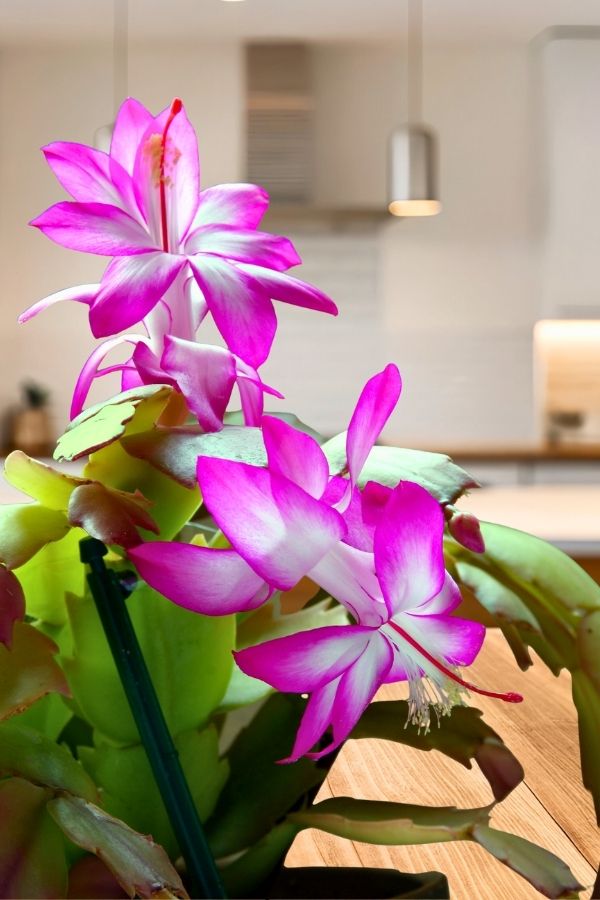
When selecting a Christmas cactus from a garden center, look for plants with firm, glossy green segments and no signs of wilting or shriveling. Avoid plants with yellowing leaves, mushy stems, or visible pests. Buds should be plump and evenly distributed across the plant, not dried or falling off. A well-hydrated, compact plant with multiple stems is a good indicator of health.
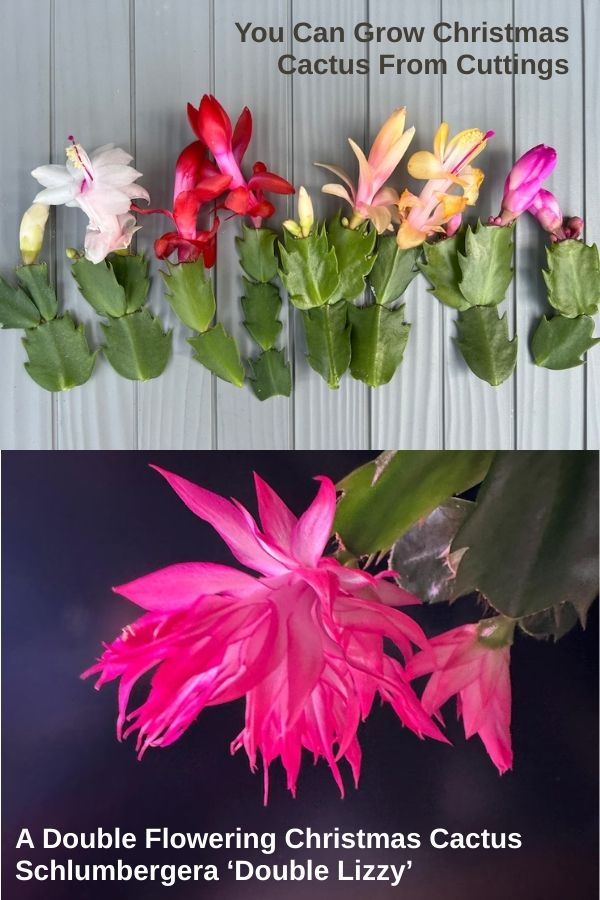
For a more budget-friendly option, consider purchasing cuttings online or from local plant enthusiasts. Christmas cacti root easily in moist soil or water. Choose cuttings with at least three to four segments, and allow the cut ends to dry for a day before planting to prevent rot. Within a few weeks, roots will form, and new growth will begin.
Caring for a Christmas Cactus
Light and Temperature
Christmas cacti prefer bright, indirect light. Too much direct sunlight can cause the segments to turn red or yellow. Ideal temperatures range between 60–70°F (15–21°C) during the day and slightly cooler at night. Avoid placing the plant near drafts, heating vents, or fireplaces.
Watering
Unlike desert cacti, Christmas cacti are native to tropical forests and prefer more moisture. Water thoroughly when the top inch of soil feels dry, allowing excess water to drain away. Never let the plant sit in standing water. During active growth in spring and summer, keep the soil consistently moist but not soggy. Reduce watering slightly after blooming.
Soil and Fertilizer
Use a well-draining potting mix, such as one designed for succulents or a blend of regular potting soil with added perlite. Feed monthly during spring and summer with a balanced, water-soluble fertilizer diluted to half strength. Stop fertilizing in early fall to encourage bud formation.
Encouraging Holiday Blooms
To ensure the Christmas cactus blooms in time for the holidays, mimic its natural environment by adjusting light and temperature in the fall. Starting in late September or early October, provide 12–14 hours of darkness each night and cooler temperatures around 55–60°F (13–16°C). This rest period triggers bud formation. Once buds appear, return the plant to a bright location and resume normal watering. Avoid moving or rotating the plant during this time, as changes in light direction can cause buds to drop.
Bonus: How to Make a Christmas Cactus Bloom Anytime of the Year
For those who want to enjoy blooms beyond the holiday season, it’s possible to manipulate the plant’s light exposure. Place the cactus in a dark closet or cabinet for 12–14 hours each night for about six weeks, then move it to bright, indirect light during the day. Using a timer-controlled grow light can automate this process. Consistent light and dark cycles will encourage the plant to set buds, allowing blooms to appear at any time of year.
Final Thoughts
With the right care and attention, a Christmas cactus can become a cherished part of holiday traditions and a year-round source of color. Whether purchased as a mature plant or grown from a cutting, this resilient and rewarding houseplant brings beauty and joy to any home.