
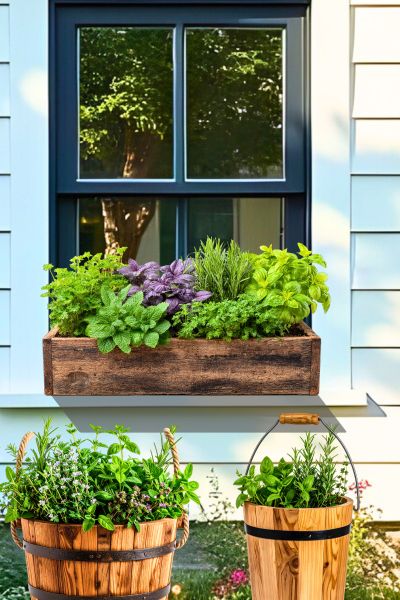
You don’t need a large backyard or a dedicated “medicinal garden” to grow useful healing plants. Many common medicinal plants thrive in small gardens, raised beds, and containers, and some can even be tucked right into an existing vegetable garden.
If you’re new to medicinal gardening—or working with limited space—this guide will show you easy, familiar plants that are beginner-friendly, low-maintenance, and simple to use at home.
Why Medicinal Plants Are Perfect for Small Spaces
Medicinal plants are often:
- Naturally compact
- Well-suited to containers
- Hardy and forgiving
- Multi-purpose (culinary + medicinal)
That makes them ideal for patios, balconies, raised beds, and even small backyard gardens. Instead of creating a separate space, you can blend medicinal plants into what you already grow.
What Makes a Medicinal Plant “Easy” for Beginners?
The plants in this list were chosen because they:
- Grow well in containers or tight garden spaces
- Don’t require specialized care
- Are commonly available at garden centers
- Have traditional, well-known medicinal uses
- Offer additional benefits like culinary use or pollinator support
If you can grow basic herbs or vegetables, you can grow these plants.
Quick Basics for Growing Medicinal Plants in Small Gardens and Containers
Before choosing plants, a few basics will set you up for success:
- Sunlight: Most medicinal herbs prefer 6–8 hours of sun per day
- Soil: Well-draining soil is more important than rich soil
- Containers: Always use pots with drainage holes
- Watering: Many medicinal herbs prefer slightly dry soil
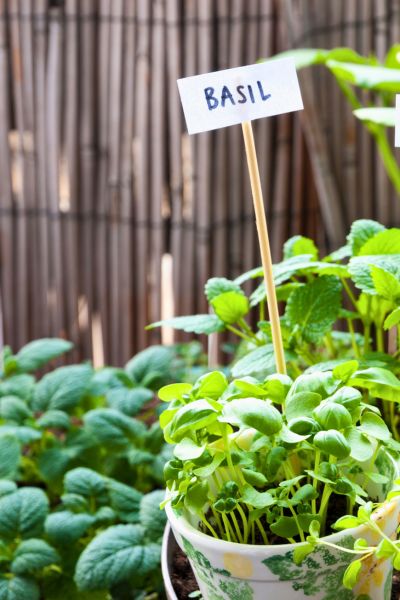
Labeling: Always label plants, especially when growing medicinal varieties
Easy Medicinal Plants That Grow Well in Small Spaces
These plants are well-suited to containers, raised beds, and small garden plots.
Basil
Best for: Containers, raised beds, vegetable gardens
Basil is easy to grow, productive, and already familiar to most gardeners. In addition to its culinary uses, basil has traditionally been used to support digestion and reduce stress.
Why it’s great for small spaces:
- Grows well in pots
- Can be harvested frequently
- Fits easily among tomatoes and peppers
Thyme
Best for: Containers, borders, raised beds
Thyme is a compact, low-growing herb with traditional respiratory and immune-supporting uses. It’s drought-tolerant once established and perfect for small gardens.
Why it’s great for small spaces:
- Stays small and tidy
- Needs minimal watering
- Doubles as a culinary herb
Mint (Container Only)
Best for: Containers only
Mint is one of the easiest medicinal plants to grow—but it spreads aggressively in the ground. Keeping it in a container makes it manageable and ideal for small spaces.
Traditional uses include:
- Digestive support
- Calming teas
- Fresh scent and flavor
Important note: Always grow mint in its own pot.
Calendula
Best for: Containers, raised beds, vegetable gardens
Calendula is a cheerful, easy-to-grow flower known for its traditional skin-soothing properties. It’s often used in infused oils and salves.
Why it’s great for small spaces:
- Grows easily from seed
- Attracts pollinators
- Adds color among vegetables
Chamomile
Best for: Containers, small garden beds
Chamomile is well-known for calming herbal teas and gentle digestive support. It has a small footprint and delicate flowers that are easy to harvest.
Why it’s great for small spaces:
- Compact growth habit
- Ideal for pots
- Beginner-friendly
Lavender
Best for: Containers, raised beds (climate dependent)
Lavender thrives in containers with good drainage and plenty of sun. It’s traditionally used for relaxation, sleep support, and aromatherapy.
Why it’s great for small spaces:
- Prefers container growing
- Drought tolerant once established
- Attracts pollinators
Medicinal Plants That Fit Easily Into Vegetable Gardens
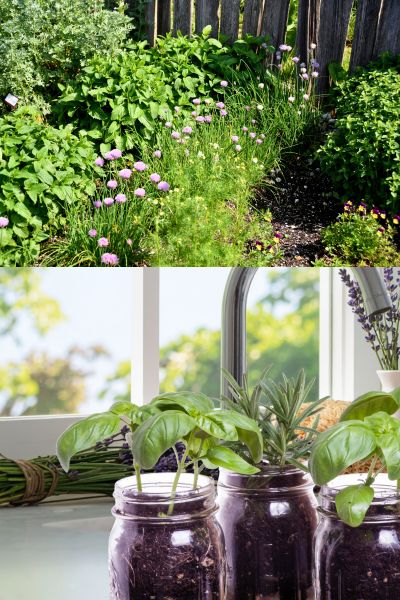
You can grow food and medicine together without adding extra garden space.
These plants integrate seamlessly into vegetable beds:
- Garlic: Traditional immune support and natural pest deterrent
- Sage: Useful for digestion and sore throats
- Rosemary: Aromatic, medicinal, and drought tolerant
- Oregano: Hardy and beneficial for respiratory support
- Yarrow: Great for borders and pollinators
Many of these plants also help repel pests or attract beneficial insects.
Container Tips for Medicinal Plants
If you’re growing medicinal plants in pots, keep these tips in mind:
- Choose containers at least 8–12 inches wide
- Use high-quality potting soil
- Avoid overcrowding plants
- Allow soil to dry slightly between watering
- Move containers as needed to adjust sun exposure
Most common mistake: Overwatering herbs in containers.
Simple Ways to Use Medicinal Plants (Beginner-Friendly)
You don’t need advanced herbal knowledge to enjoy your harvest.
Easy Uses for Beginners:
- Herbal teas: Fresh or dried leaves and flowers
- Infused oils: For simple skin care
- Drying herbs: For future use
- Fresh leaves: Added to baths or sachets
Start with one plant and one use to build confidence.
Common Mistakes to Avoid in Small-Space Medicinal Gardening
- Growing too many plants at once
- Using containers without drainage
- Mixing plants with very different water needs
- Forgetting to label plants
- Assuming all plant parts are safe to use
Medicinal gardening is simple—but attention to detail matters.
Final Thoughts: Start Small and Grow What Fits Your Life
You don’t need a large garden or special setup to grow medicinal plants. By choosing easy, familiar plants and growing them in containers or alongside vegetables, you can enjoy the benefits of medicinal gardening in almost any space.
Start with one or two plants, learn as you go, and let your garden grow with you—naturally.